Why Do Some Beauty Rituals Survive for Centuries?
Beauty rituals have been passed down through generations like family heirlooms. From the oil cleansers of ancient Egypt to the rice water rinses of Japan, from the rose water toners of Persia to the turmeric masks of India. However, certain practices have not only survived but thrived for hundreds, even thousands of years. Meanwhile, modern products come and go with dizzying speed. A serum goes viral on TikTok, sells out, and is forgotten within months. So what makes a beauty ritual endure? The answer lies not in marketing budgets or celebrity endorsements, but in something far more fundamental: efficacy, accessibility, and alignment with how skin actually works. The rituals that survive do so because they deliver visible results, use ingredients found in nature, and respect the skin’s biology rather than fighting it. In this post, we will explore the common threads behind the world’s most enduring beauty traditions and why they still deserve a place in your routine today.
Frequently Asked Questions
Are Ancient Beauty Rituals safe for all skin types?
Most are very gentle, but always patch test. Honey and rose water are safe for most, including sensitive skin. Turmeric can cause mild irritation for some, and oil cleansing with comedogenic oils (like coconut oil) may clog pores for acne‑prone individuals. Choose oils like jojoba or sunflower for oily skin. If you have a diagnosed skin condition, consult a dermatologist before trying new rituals.
Can I replace my entire modern routine with Ancient Rituals?
For some people with resilient, problem‑free skin, yes. However, most benefit from a hybrid approach. Use ancient rituals for cleansing, exfoliating, masking, and toning. Keep modern sunscreen (non‑negotiable), prescription treatments for clinical conditions, and perhaps a retinoid or vitamin C serum for proven anti‑ageing benefits. The two approaches complement each other.
How long does it take to see results from Ancient Beauty Rituals?
Hydration and soothing effects (e.g., honey, rose water) can be felt immediately or within a few uses. Improvements in tone, texture, and hyperpigmentation (e.g., turmeric-yoghurt mask) typically take 4–6 weeks of consistent use. Unlike harsh chemical peels, these rituals work gently and slowly, which is exactly why they are safe for long‑term use. Patience is part of wisdom.
The Common Threads of Timeless Beauty Rituals
1. They Work with the Skin, Not Against It: Ancient cultures did not have access to harsh chemical peels or abrasive microdermabrasion devices. Instead, they observed nature and developed gentle methods that supported the skin’s natural functions. Oil cleansing removes dirt without stripping the barrier. Honey draws moisture into the skin while fighting bacteria. Clay absorbs excess sebum without triggering rebound oil production. These rituals work in harmony with the skin’s biology, which is why they never go out of style.
2. They Use Readily Available, Natural Ingredients: A beauty ritual cannot survive for centuries if it depends on rare, expensive, or manufactured ingredients. The longest‑lasting practices use what is at hand: olive oil in the Mediterranean, rice water in East Asia, shea butter in West Africa, and aloe vera in the Middle East. These ingredients are affordable, accessible, and have stood the test of time because people could always find them.
3. They Address Universal Skin Concerns: Dryness, acne, dullness, and ageing are not modern problems. Every generation has sought solutions for the same basic issues. Enduring rituals target these universal needs in simple, repeatable ways. A honey mask soothes inflammation for anyone, anywhere. A cold water splash depuffs eyes regardless of the climate. A turmeric-yoghurt mask brightens skin across skin types. Because they solve timeless problems, they remain relevant.
5 Enduring Beauty Rituals and Why They Last
Ritual 1: Oil Cleansing: Oil cleansing involves massaging oil onto dry skin to dissolve makeup, sebum, and pollution before wiping it away with a warm cloth. This ritual has endured because it protects the skin’s natural lipid barrier. Unlike harsh soaps that remove natural oils and often lead to dryness and irritation, oils attract and lift away impurities without damaging the skin. Blends such as castor, olive, or jojoba oil cleanse gently while maintaining moisture balance. Modern dermatology now recognises this principle, and oil cleansers have become an important part of gentle skincare routines. Studies also show that oil cleansing does not disturb the skin’s pH or moisture barrier and can benefit dry, sensitive, and acne-prone skin when non-comedogenic oils are used.
Ritual 2: Honey as a Face Mask: Applying raw honey to the skin as a hydrating and antibacterial mask has remained popular across centuries. Honey survives as a beauty ritual because it naturally draws moisture into the skin and contains hydrogen peroxide, which provides mild antibacterial effects. It helps calm redness, supports wound healing, and leaves the skin soft without irritation. Unlike many modern face masks, honey is generally suitable for all skin types. Medical-grade honey is still used in clinical wound care today, and studies confirm that it can reduce acne lesions, hydrate dry skin, and speed the healing of minor abrasions. For these basic skincare functions, no synthetic mask has consistently outperformed honey.
Ritual 3: Rose Water Toner: Rose water toner is made from distilled rose petals and is used as a facial mist or toner to refresh the skin, balance pH levels, and soothe irritation. This ritual has lasted because rose water acts as a gentle astringent without drying out the skin. It contains anti-inflammatory compounds that reduce redness and antioxidant phenolics that help protect the skin from environmental stress. Unlike alcohol-based toners that can weaken the skin barrier, rose water supports and calms it. Clinical studies also suggest that rose water can reduce irritation, control excess sebum in oily skin, and improve skin barrier function, which is why dermatologists often recommend it for sensitive and reactive skin.
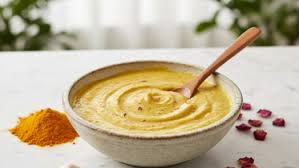
Ritual 4: Turmeric and Yoghurt Mask: The turmeric and yoghurt mask is made by applying a paste of ground turmeric and yoghurt to the face to brighten the skin, gently exfoliate dead cells, and reduce inflammation. This ritual continues to survive because turmeric contains curcumin, a strong anti-inflammatory and antioxidant compound, while yoghurt provides lactic acid, a gentle alpha-hydroxy acid that improves skin texture through mild exfoliation. Together, they help with dullness, uneven skin tone, and mild acne without relying on harsh chemicals. Research has shown that curcumin can reduce melanin production, helping to fade dark spots, while lactic acid remains one of the most trusted exfoliants for sensitive skin. The combination is still used in modern dermatology-based skincare products.
Ritual 5: Cold Water Splash: The practice of rinsing the face or body with cold water at the end of bathing or cleansing routines has remained common across many cultures. It survives because cold water temporarily constricts blood vessels, which helps reduce puffiness, calm redness, and create a firmer appearance in the skin. It also smooths the hair cuticle, giving hair extra shine. Although cold water does not permanently shrink pores, as many people believe, it still provides noticeable short-term benefits without requiring any special products or equipment. Dermatologists agree that cold water can reduce redness caused by inflammation and soothe reactive skin, making it a simple and effective habit that has lasted through generations.
What Modern Routines Can Learn from Ancient Wisdom
1. Simplify: You do not need a dozen products. Many ancient routines used just two or three ingredients, applied consistently.
2. Respect your barrier: Harsh exfoliation, alcohol toners, and aggressive cleansing damage the skin. Gentle, natural methods preserve it.
3. Use whole ingredients: A honey mask is more than the sum of its antibacterial properties; it also provides enzymes, antioxidants, and humectants in a balanced, non‑irritating package.
4. Be patient: Ancient beauty was not about overnight transformations. It was about daily, weekly, or seasonal practices that built long‑term health.
Of course, not every ancient practice is superior to modern science. Sunscreen, retinoids, and targeted treatments for clinical conditions are genuine advances. But the most thoughtful modern routines borrow from the past: a gentle oil cleanser, a honey mask once a week, a rose water spritz, and the simple habit of cold water at the end of a shower.
Wind Up
Why do some beauty rituals survive for centuries? Because they work. They work because they are gentle, accessible, and aligned with how skin actually functions. They do not rely on trends, expensive packaging, or exaggerated claims. They rely on ingredients found in nature and practices honed by generations of observation. As you build your own skincare routine, you do not need to abandon modern science. But you can learn from the past. Try adding one enduring ritual: a weekly honey mask, a rose water toner, or a cold water splash. Notice how your skin responds. Chances are, you will understand why these practices never went out of fashion and why they are not going away anytime soon.
Comments