
How Artificial Intelligence Is Changing the Future of Education
Artificial intelligence is no longer a distant promise in education; it is already inside classrooms, learning platforms, and assessment tools. From personalised tutoring systems that adapt to a student’s pace, to automated grading that frees teachers for deeper instruction, AI is quietly reshaping how we teach and learn. But this transformation is not merely about efficiency. It raises fundamental questions about the role of the teacher, the nature of knowledge, and the very purpose of schooling.
Frequently Asked Questions
Will Artificial Intelligence replace Human Teachers altogether?
No. Artificial intelligence lacks genuine empathy, cultural responsiveness, and the ability to inspire and mentor in deeply personal ways. It can take over repetitive tasks and provide personalised drill, but the relational heart of teaching remains uniquely human. The most effective future classrooms will pair AI with human teachers, not replace them.
Is AI in education only for wealthy schools?
Currently, there is a risk of a digital divide. However, open‑source AI models, government subsidies, and nonprofit initiatives can help bring AI tools to under‑resourced schools. Policymakers must prioritise equitable access to prevent AI from widening existing gaps.
How can schools prevent students from using Artificial Intelligence to cheat?
Schools should redesign assessment to emphasise process over product: oral explanations, in‑class writing, collaborative projects, and portfolios of drafts. They can also teach students ethical AI use as a skill, showing how to leverage AI as a brainstorming or editing tool while maintaining academic integrity. No single technical solution will solve cheating; a culture of honest, engaged learning is the best defence.
Personalised Learning Education Tailored to the Individual
Artificial intelligence can analyse a student’s responses in real time, identifying strengths, weaknesses, and learning styles. Adaptive platforms adjust the difficulty, pacing, and content format to fit each learner. This moves away from the one‑size‑fits‑all classroom toward genuinely individualised instruction.
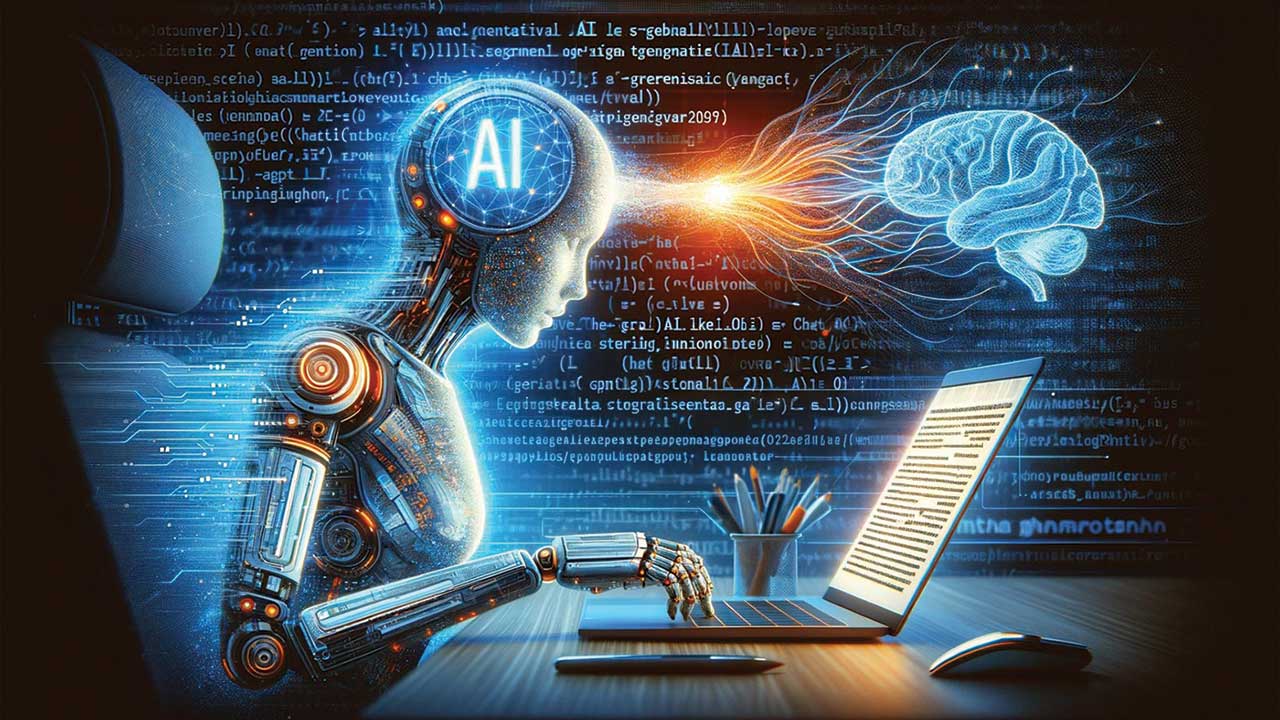
Additionally, artificial intelligence tutors, available 24/7, can provide instant feedback, answer questions, and offer step‑by‑step guidance. They never tire or judge, allowing students to practice without fear of embarrassment. Early studies show that well‑designed AI tutors can match or even exceed human tutoring for certain well‑defined subjects. However, personalised AI can help students who fall behind by offering targeted remediation without removing them from the main classroom. It can also challenge advanced learners with enriched material. When implemented equitably, AI has the potential to narrow, not widen, educational disparities.
Artificial Intelligence in Transforming the Role of Teachers
When AI handles routine instruction, drill, and assessment, teachers are freed to focus on higher‑value activities: mentoring, facilitating discussions, fostering creativity, and addressing social‑emotional needs. The teacher becomes a coach and a curator of learning experiences rather than a mere dispenser of facts.
Nevertheless, artificial intelligence can generate lesson plans, create differentiated worksheets, write quiz questions, and even analyse classroom engagement from video. It can help teachers identify which students are struggling before they fall too far behind. This reduces administrative burnout and allows teachers to invest more time in direct human interaction. Despite AI’s capabilities, it cannot replicate the warmth, empathy, role‑modelling, and intuition of a skilled teacher. Students need human connection to feel safe, motivated, and inspired. The future is not teacher versus AI, but teacher augmented by AI.
Assessment, Feedback, and Academic Integrity
Artificial intelligence enables assessment that is no longer confined to end‑of‑term exams. Real‑time analysis of student work can provide immediate feedback, helping learners correct misunderstandings on the spot. This shifts the emphasis from grading to growth.
Moreover, artificial intelligence can grade essays for grammar, structure, and even argumentation with reasonable accuracy. However, critics argue that it encourages formulaic writing and may miss creativity, voice, or subtle reasoning. Human grading remains essential for complex, open‑ended tasks. AI writing tools make it easier for students to submit work that is not their own. Traditional plagiarism detectors struggle with AI‑generated text. This forces educators to rethink assessment: moving toward oral exams, in‑class writing, project‑based learning, and collaborative problem‑solving that are harder to automate.
Risks and Ethical Considerations
1. Data Privacy and Surveillance: AI systems require vast amounts of student data to function. Who owns this data? How is it protected? Are students being profiled in ways that could limit their future opportunities? Schools must implement strict privacy safeguards and transparent data policies.
2. Bias and Fairness: AI models trained on historical data can perpetuate existing biases: racial, gender, and socioeconomic. An artificial intelligence that recommends lower track courses for certain groups could lock students into lower expectations. Continuous auditing and diverse development teams are essential to mitigate bias.
3. Over‑reliance and Skill Atrophy: If students rely on AI for writing, problem‑solving, or even basic fact‑finding, they may fail to develop foundational skills. Educators must design AI‑integrated lessons that enhance, not replace, independent thinking and effort.
4. The Digital Divide: Access to artificial intelligence tools is uneven. Schools in wealthy districts will benefit from advanced systems, while under‑resourced schools may fall further behind. Without intentional policy, AI could widen the gap between privileged and disadvantaged learners.
Wind Up
Furthermore, artificial intelligence is changing the future of education in profound ways: making learning more personalised, freeing teachers for deeper work, and reshaping assessment. The quality of education will still depend on human values: equity, empathy, curiosity, and the belief that every student can succeed. If we implement AI thoughtfully with privacy, fairness, and the teacher‑student relationship at the centre, it can help create an education system that is more inclusive, adaptive, and human than anything we have known before.
Comments