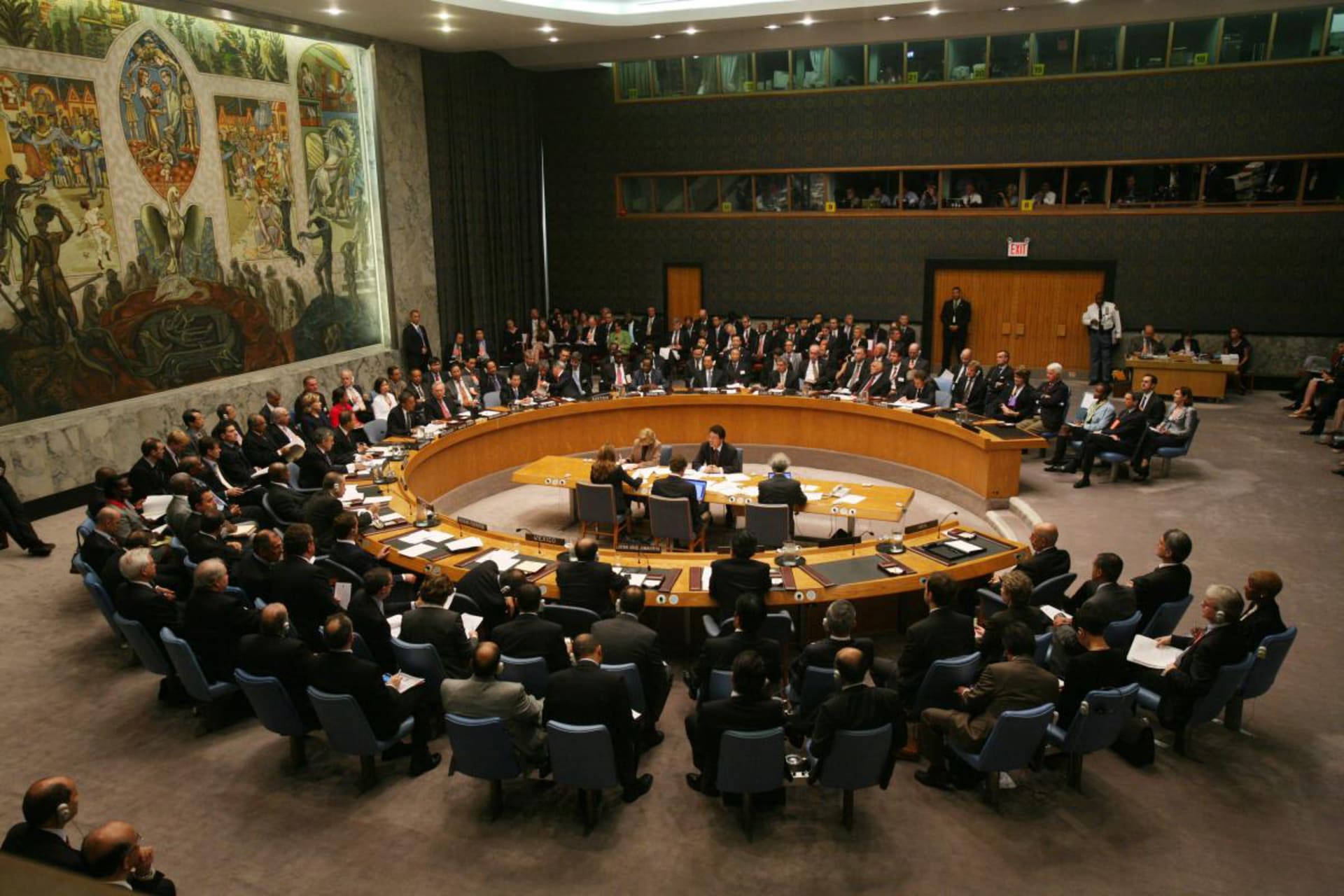
Why Has the UN Security Council Not Been Reformed Since 1945?
The UN Security Council was established in the aftermath of the Second World War. Its permanent membership reflected the international power structure of that period, with China, France, the Soviet Union, the United Kingdom and the United States receiving guaranteed seats. More than 80 years later, the Council still has five permanent members, although the number of non-permanent members increased from six to ten in 1965.
During that time, the number of UN member states grew, many former colonies became independent, and international political and economic relationships changed considerably. Yet fundamental reform of the permanent membership has not been achieved. Why has the Council been so difficult to change? Is the obstacle a lack of agreement about representation, the power of the permanent five, or the complicated legal process required to amend the UN Charter? The answer involves all three.
Frequently Asked Questions
Has the Security Council never been changed since 1945?
It has changed in size. In 1965, the number of members increased from 11 to 15, with the number of non-permanent seats rising from six to ten. The five permanent seats remained unchanged.
What is Article 108?
Nevertheless, It requires Charter amendments to be adopted by a two-thirds vote of the General Assembly and ratified by two-thirds of UN member states, including all five permanent members of the Security Council.
Are countries discussing reform?
Yes. The General Assembly's Intergovernmental Negotiations have been addressing Security Council reform since 2008, with disagreements remaining over membership, regional representation and the veto.
The Discussion: The Council Has Changed, but Only to a Limited Extent
It would be inaccurate to say that the Security Council has never been reformed. Its membership was expanded in 1965, following an amendment to the Charter. Additionally, the number of non-permanent seats increased, allowing more countries to participate. But the five permanent seats remained untouched.
This distinction is important. The UN has demonstrated that its structure can be changed, but it has not secured agreement on a more fundamental change to permanent membership and the veto. The challenge is therefore not simply whether reform is legally possible. It is whether member states can agree on the form that reform should take.
The Charter Gives the Permanent Five a Special Position
One major obstacle is Article 108. Because an amendment must be ratified by all five permanent members, any proposal to remove or alter their privileges requires their formal agreement as part of the amendment process. This creates a difficult situation. Countries seeking reform may want to change the very privileges that the five permanent members currently possess. Yet those same five states must ratify any Charter amendment for it to enter into force. The legal requirement does not make reform impossible, but it means that widespread support from other UN members is not enough on its own.
Countries Disagree About What Reform Should Look Like
Another obstacle is that governments do not all want the same kind of reform. The African Union wants at least two permanent seats and five non-permanent seats for Africa in an expanded Council, with full privileges for the new permanent members, including the veto for as long as it exists. Nevertheless, the Group of Four, comprising Brazil, Germany, India and Japan, has proposed adding six permanent seats, including two for African states. Additionally, this includes two for Asia-Pacific states, one for Latin America and the Caribbean, and one for Western European and other states.
By contrast, the Uniting for Consensus group proposes expanding the elected, non-permanent category rather than creating additional permanent members. It argues that regular elections and rotation would improve representation and accountability. These positions reveal the difficulty. Countries may agree that the current Council needs reform while disagreeing about whether the answer is more permanent members, more elected seats, new regional arrangements or changes to the veto. Agreement on the need for change is not the same as agreement on the solution.
Africa's Demand Raises Further Questions
Africa's campaign illustrates the problem clearly. The African Union argues that the continent was excluded from permanent membership when the UN was created, at a time when much of Africa was still under colonial rule. Its demand for two permanent seats seeks to correct that historical exclusion. But the proposal also raises questions about which African countries would occupy the seats, how they would be selected, and whether they should hold the positions indefinitely.
There are wider geographical questions, too. If Africa receives two permanent seats, what should happen to Latin America and the Caribbean, which also have no permanent member? These questions do not invalidate Africa's demand. They demonstrate that Security Council reform involves competing principles of representation, historical redress and political equality.
My Argument: Is the Problem Only the Lack of Seats?
The continuing deadlock invites a broader question. If the Council's structure is difficult to change because countries disagree about who should hold permanent power, should reform focus only on distributing more permanent seats? Another approach would be to examine whether permanent membership itself remains the most suitable model. A system built around elected or rotating regional representation might give more countries recurring opportunities to participate. However, such a model would need to address continuity, accountability, voting rules and the Council's ability to respond quickly to crises.
It would also need broad international agreement. This is why reform cannot be reduced to the question of whether Africa should receive two seats. Africa's demand is a significant part of the debate, but the underlying problem concerns the way power and representation are organised throughout the Council.
Wind Up
The UN Security Council has not undergone fundamental reform of its permanent membership because changing the Charter requires a demanding legal process, while governments disagree over the structure a reformed Council should have. The five permanent members must ratify any Charter amendment. Meanwhile, other countries and regional groups disagree over whether to expand permanent membership, increase elected seats, change the veto or introduce alternative arrangements for representation.
The Council's expansion in 1965 shows that change is possible. The absence of a broader agreement since then shows how difficult it is to reconcile the interests of different states. Africa's demand for permanent representation has brought the issue into sharper focus, but the debate extends beyond the continent. The question is no longer only why the Council has five permanent members. It is whether the existing structure can adapt to a world that has changed substantially since 1945. Until member states agree on both the principles and the practical details of reform, the central dispute will remain unresolved.
Comments