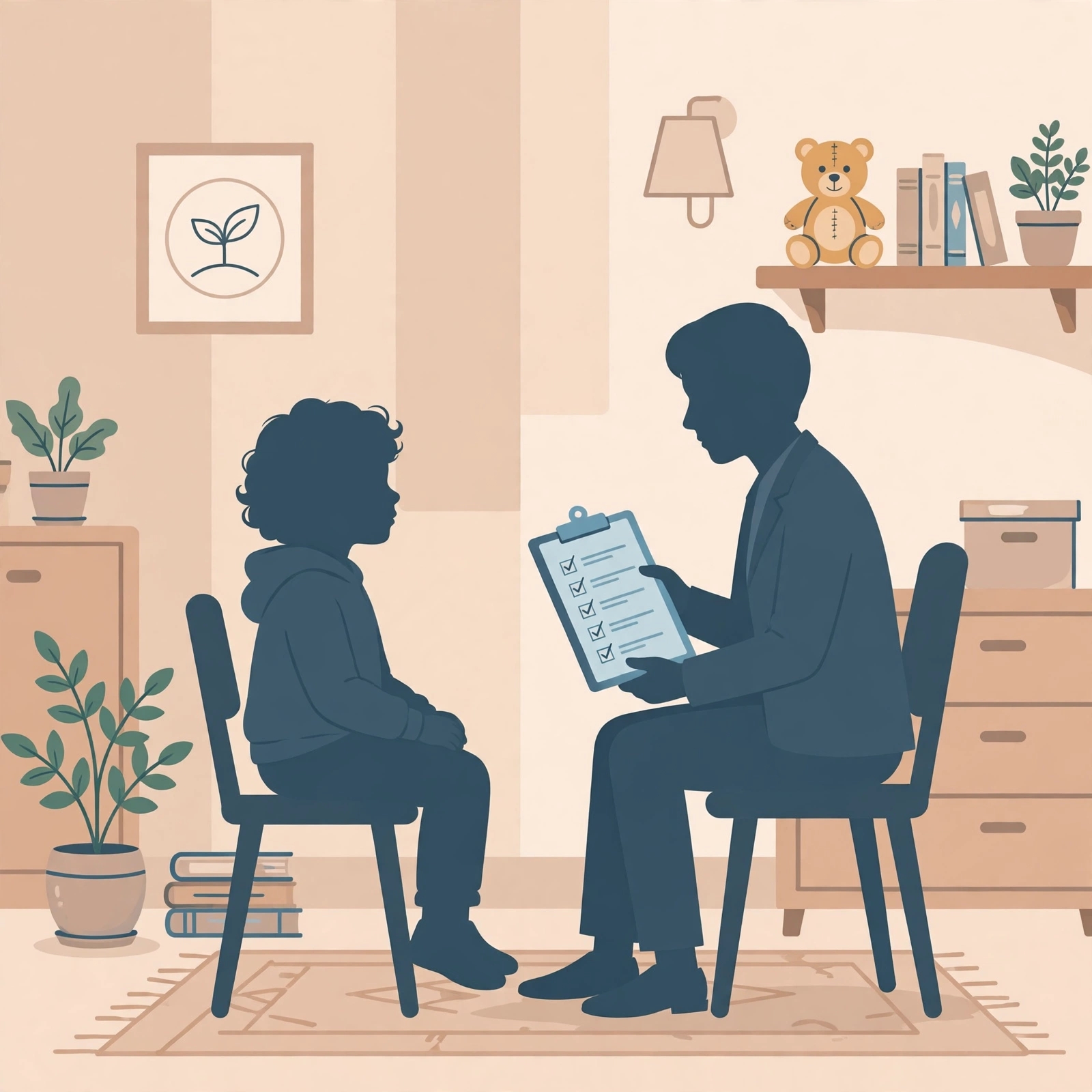
Should Troubled Children Receive Psychological Assessment Before They Become Violent?
When a child begins displaying serious behavioural difficulties, adults often face a difficult decision. Should they wait and see whether the behaviour improves, or should they seek professional help before the situation becomes more serious? This question is particularly important when a child repeatedly threatens others, displays extreme aggression or appears unable to manage anger. Early support may help identify underlying difficulties and provide the child with appropriate assistance. However, there is also a danger in treating ordinary childhood misbehaviour as evidence that a child will eventually commit a violent crime.
Frequently Asked Questions
Should every child with behavioural problems receive a psychological assessment?
No. Ordinary childhood difficulties do not automatically require a formal assessment. Professional advice may be appropriate when problems are persistent, severe, cause harm or significantly interfere with the child's life.
Can a psychologist predict whether a child will commit murder?
No assessment can reliably determine that a particular child will commit murder in the future. Professionals can evaluate current difficulties and relevant risk factors, but these do not establish an inevitable outcome.
Does aggression always indicate a mental health condition?
No. Aggression can have different causes and does not, by itself, establish a diagnosis. A qualified professional can help assess the circumstances and determine whether further support is needed.
Should parents wait until a child commits a serious offence before seeking help?
No. Parents and caregivers can seek guidance when serious behavioural concerns emerge. Early support may address difficulties before they escalate, although it cannot guarantee a particular outcome.
Can psychological assessment replace discipline?
No. Assessment and discipline serve different purposes. Children need fair boundaries and proportionate consequences, while professional assessment can help identify additional support or treatment needs.
What should adults do if a child threatens to hurt someone?
They should take credible threats seriously, assess immediate safety and seek appropriate professional or emergency assistance when necessary. They should not assume the threat is harmless merely because it comes from a child.
Should Troubled Children Receive Psychological Assessment Before They Become Violent?
The word troubled can refer to many different experiences. A child may struggle academically, withdraw from friends, become unusually anxious, have difficulty managing frustration or display repeated aggressive behaviour. These difficulties do not all indicate the same problem. A child who becomes quiet after a family change may need emotional support. Another who repeatedly threatens classmates may need a more specific assessment of their behaviour and circumstances.
It is therefore important to avoid treating every behavioural problem as a sign of future violence. Children can experience temporary difficulties while growing up, and many improve with guidance, stability and support. The concern becomes greater when behaviour is persistent, severe, causes harm or interferes significantly with a child's life and relationships. In such situations, seeking professional advice may help clarify what is happening and what response would be appropriate.
Can Psychological Assessment Identify a Future Violent Offender?
Psychological assessment can identify certain difficulties and factors associated with increased risk, but it cannot reliably determine that a particular child will commit murder in the future. Human behaviour is influenced by many interacting factors. A child's circumstances, relationships, development and experiences can change over time. Even where risk factors are present, they do not make a particular outcome inevitable.
This distinction is essential. The purpose of assessment should not be to classify children as future criminals. It should be to understand their current needs, identify potential risks and determine what support may reduce the likelihood of harm. A child who receives an assessment should not automatically be regarded as dangerous. The findings should be interpreted by qualified professionals and used to guide appropriate care.
What Signs Might Justify Seeking Professional Help?
There is no single behaviour that proves a child will become violent. Nevertheless, some patterns may warrant closer attention, particularly when they are persistent, escalating or causing harm.
Examples include:
i. Repeated threats to seriously hurt other people.
ii. Aggression that causes injury or creates a credible risk of harm.
iii. Persistent cruelty towards people or animals.
iv. Repeated attempts to intimidate, control or seriously frighten others.
v. Behavioural changes accompanied by severe distress or an inability to function at home or school.
These examples are reasons to consider appropriate support, not a checklist for predicting murder. Some behaviours may have different explanations, and their significance depends on the child's age, circumstances, frequency and severity. If a child makes a credible threat or someone faces an immediate risk of harm, adults should prioritise safety and seek appropriate urgent assistance rather than wait for a routine assessment.
What Can a Psychological Assessment Reveal?
A qualified professional may explore a child's emotional development, behaviour, family and school circumstances, relationships, learning needs and possible mental health concerns. The assessment may help determine whether the child needs counselling, specialised treatment, additional educational support or changes in their environment. It may also identify strengths and protective factors that can support healthier development.
An assessment should not focus only on what is wrong with the child. It should also consider what helps the child feel safe, manage emotions and build positive relationships. Importantly, a psychological assessment is not a criminal investigation and does not establish that a child has committed an offence. Its purpose is to understand the child's functioning and needs. Any suspected crime must be addressed through the appropriate legal process.
Who Should Be Responsible for Seeking Help?
Parents and caregivers often have the earliest opportunity to notice changes in a child's behaviour. Teachers may also observe patterns that are not obvious at home, while health professionals can help assess developmental or emotional concerns. These adults should communicate appropriately when they notice persistent or serious difficulties. They should avoid making diagnoses themselves or dismissing harmful behaviour simply because the child is young.
Where possible, the child should be given an opportunity to explain what they are experiencing. Adults should listen without automatically accepting every explanation or ignoring the impact of harmful actions. Professional support may involve parents, schools, child psychologists, paediatric specialists or other relevant services, depending on the concern and what is available locally.
Can Early Assessment Prevent a Child From Becoming Violent?
Early assessment may help reduce risk when it leads to appropriate intervention. A child experiencing severe emotional distress, for example, may benefit from counselling and a safer environment. A child who struggles with anger may benefit from learning emotional regulation and non-violent ways to resolve conflict. However, assessment alone does not prevent violence. It must be followed by suitable support, and its effectiveness depends on the child's circumstances and needs.
Schools can contribute through anti-bullying measures, counselling and procedures for responding to serious threats. No intervention can guarantee that a child will never become violent. The goal is to address current difficulties, strengthen protective factors and reduce risks where possible.
How Can Society Avoid Stigmatising Children?
A major concern is that children who receive psychological assessments may be labelled as dangerous even when they have never harmed anyone. Such labels can affect how adults treat them, how they view themselves and whether they feel able to seek help. A child who is treated as a future criminal may lose opportunities for support and positive development.
Assessment should therefore be confidential where appropriate, proportionate to the concern and based on professional evidence. Information should be shared only as permitted by law and when necessary for the child's care or safety. Children should be held accountable for harmful behaviour in age-appropriate ways, but they should not be condemned for something they have not done. Early intervention should offer a path towards healthier behaviour, not create a permanent identity around risk.
Wind Up
Troubled children should have access to psychological assessment when their behaviour or circumstances indicate that professional help may be needed. Early assessment can provide a better understanding of emotional difficulties, developmental needs and possible risks, allowing adults to respond more appropriately. However, assessment should not become a way of predicting which children will become criminals. No single behavioural sign can determine a child's future, and children should not be labelled as dangerous simply because they are struggling.
The responsibility of parents, schools and society is to recognise serious concerns, protect those at risk and provide suitable support. Children also need boundaries, guidance and proportionate consequences when they harm others. Early intervention cannot prevent every tragedy, but it can create opportunities to address difficulties before they become more serious. The aim should be to protect potential victims while giving children a fair opportunity to develop healthier ways of thinking, behaving and relating to others.
Comments