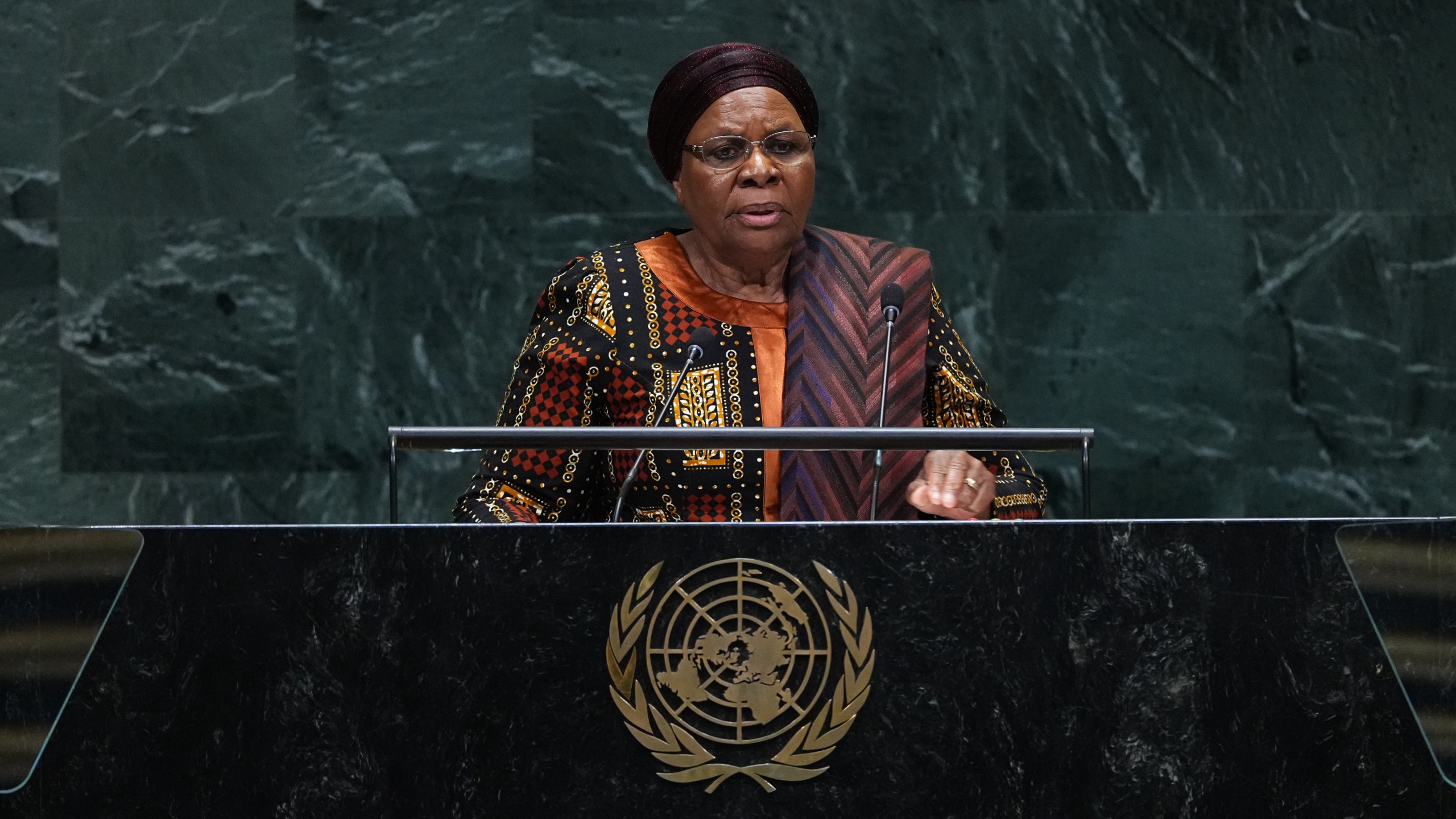
Who Decides Which African Country Would Occupy a Permanent Seat?
One of the biggest questions surrounding Africa's demand for permanent representation on the United Nations Security Council is not only how many seats the continent should receive, but also who should occupy them. Additionally, the AU has called for at least two permanent seats and five non-permanent seats in an expanded Security Council. It has also maintained that the African Union should select the countries that represent the continent in the permanent category.
However, the African Union's demand should not be confused with a completed selection process. No African country has yet been granted a new permanent seat under a Security Council reform agreement. However, before any selection can take effect, UN member states must agree on reform and the legal arrangements for the new membership. The debate therefore involves both African decision-making and international negotiations.
Frequently Asked Questions
Who would decide which African countries receive permanent seats?
The African Union's Common African Position says that the AU should select Africa's representatives. The exact selection procedure would need to be agreed and implemented as part of the wider reform process.
Has Nigeria been chosen to represent Africa permanently?
No. Nigeria has not been officially designated as an African permanent member of the Security Council.
Could African countries disagree over the selection?
Yes. Countries may have different views about which states are best placed to represent the continent. This is one reason a clear and broadly accepted process would be important.
Would the African Union's decision be enough to create a permanent seat?
No. The AU can establish Africa's common position and determine its preferred representatives, but a permanent seat in the UN Security Council would require the necessary international agreement and changes to the UN Charter.
Discussion and Arguments: Africa's collective position
The African Union adopted the Common African Position on Security Council reform, known as the Ezulwini Consensus, in 2005. The position seeks at least two permanent seats for Africa, with the same privileges as existing permanent members, including the veto for as long as it exists. Additionally, it also calls for five non-permanent African seats. An important part of this position is the AU's insistence that it should select the representatives who occupy the new permanent seats on behalf of Africa. This reflects the argument that the decision should not be imposed on the continent by external powers or decided solely by the preferences of a few influential countries. The AU's position is therefore about more than the number of seats. It is also about Africa having a role in deciding how its permanent representation would work.
Would the AU select the countries or the General Assembly?
These are related but distinct responsibilities. Under the AU's stated position, the organisation would select the African representatives. At the international level, however, a reform agreement must establish the new membership arrangements through the UN Charter amendment process. The General Assembly is responsible for adopting Charter amendments and electing non-permanent members. A new permanent category would not simply be created by the General Assembly choosing two countries in an ordinary election under the current rules. The precise relationship between African selection and the international legal process would need to be addressed in the final reform arrangements.
What criteria should be considered?
1. Regional balance: ensuring that the choice is acceptable across Africa's different regions.
2. Diplomatic experience: assessing a country's record in negotiation and international cooperation.
3. Peace and security contributions: considering participation in conflict prevention, peacekeeping and regional security initiatives.
4. Capacity and resources: examining whether a country can sustain the diplomatic responsibilities of permanent membership.
5. Accountability: establishing how the selected countries would engage with the wider African membership and report on issues affecting the continent.
These are possible considerations for debate, not a claim that the AU has adopted a final, exhaustive list of criteria for selecting permanent members. The selection process would also need to consider the principle that a country occupying a permanent seat remains a sovereign state with its own national interests. Even if it is selected to represent Africa, it may not agree with every other African government on every international issue.
Could the selection create division in Africa?
It could. If several countries believe they are equally qualified, the competition for two seats might create tension. Countries might disagree over whether population, economic strength, diplomatic influence, geographical balance or contributions to peacekeeping should carry the greatest weight. There is also a broader concern: two countries cannot automatically speak for every African state simply because they occupy permanent seats. Permanent membership would give them influence, but it would not erase the political diversity of the continent. This is why Africa's collective approach matters. A selection mechanism that is perceived as fair would be more likely to sustain support than a decision reached through rivalry or pressure.
Should the seats rotate among African countries?
Rotation is one possible approach to regional representation, but it must be distinguished from the AU's existing demand for permanent seats. The African Union's Common African Position calls for permanent membership with the privileges of the current permanent members, not simply for two long-term elected positions that rotate. A rotating system might allow more countries to participate over time, but it would not satisfy the AU's demand unless the terms of reform changed through African agreement. Conversely, permanent seats could provide continuity but would leave many African countries without direct access to that status.
My argument is that African leaders should discuss selection and accountability openly before a final reform agreement is reached. The objective should be to avoid a situation in which a reform intended to correct historical exclusion creates a new source of division within Africa.
Wind Up
The African Union has stated that it should select the representatives who occupy Africa's proposed permanent seats on the Security Council. However, no African country has yet been granted a new permanent seat, and the final arrangements would depend on an international reform agreement and the necessary Charter amendments. The choice of representatives is as important as the demand for seats. A transparent, credible and broadly accepted process would help ensure that permanent representation advances Africa's collective interests rather than becoming a competition that weakens the continent's common position.
Comments